Author: Musenge Mutale
Editor: Fitzgerald Witika
Date of submission: 13/08/2023
Date of Publication: 1/09/2023
Abstract
Introduction: Anorexia nervosa is a globally recognized eating disorder resulting from intense fear of weight gain, especially prevalent among adolescent girls, characterized by a notably low body weight. In Zambia, though the prevalence is significant, awareness remains strikingly low. This study dives deep into the Zambian perspective, comparing it with the global scenario.
Objectives: To understand the root causes, signs, and impacts of anorexia nervosa in Zambia, and to promote knowledge and preventive measures.
Research Methods: Extensive literature review and data collection from various sources on the topic, focusing on Zambia’s stance on the disease, its causes, signs, symptoms, and the societal impacts, including its presence among celebrities.
Results: Several triggers for anorexia nervosa in Zambia include family behaviors, genetics, societal pressure, and stigmatization. Many victims are oblivious of their condition due to the lack of widespread knowledge and education on the topic. Notably, global celebrities have also suffered from the disease, emphasizing its widespread nature. The research highlighted significant signs and symptoms, from severe weight loss to dehydration and skin dryness.
Conclusion: Anorexia nervosa is a silent attacker in Zambia, claiming lives without acknowledgment. The knowledge deficit on the subject exacerbates its impacts.
Recommendations: To counteract anorexia nervosa in Zambia, an inclusive approach involving educational curriculum integration, community outreach programs, and health promotion is pivotal. Additionally, harnessing media and technology, particularly local channels, can aid in raising awareness and educating masses about the disorder.
Keywords: Eating disorder, Fear of gaining weight, Low body weight, Puberty
- ANOREXIA NERVOSA
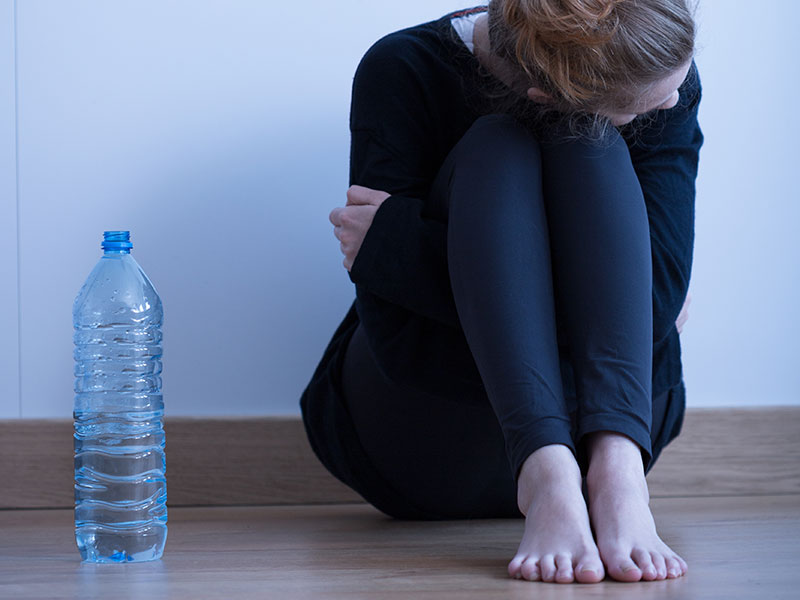
Anorexia nervosa is an eating disorder that affects the whole body, caused by intense fear of gaining weight which is common among adolescent girls and is characterized by abnormally low body weight and body mass index below 18.5.
2. INTRODUCTION
Among many countries in the world that experience cases of Anorexia Nervosa, Zambia is one of them. The condition is estimated that the genesis of its existence is between early stages of puberty and late youthful stage, which is between the ages of 12 and 35. There are a lot of reasons that can lead to this condition such as physical abuse, emotional abuse, teasing and bullying, parental divorce and loss of a family member among others. In this article, I will focus mainly on excessive weight loss by a girl child because of her insecurities of not having a nice body that can be attractive to men in order for her to be noticed by them. This change in lifestyle can lead to anorexia nervosa and is said to be the greatest cause of anorexia nervosa among adolescents and youths today.
3. CAUSES OF ANOREXIA NERVOSA
Unlike these other conditions, anorexia nervosa is not caused by micro-organisms such as fungi, bacteria, viruses, parasites etc, but it rather comes about due to lifestyle change during early stages of puberty. This factor is said to be the greatest causes of this condition of which others may exist and these may include;
A. Family behaviors
Every family confronts unique challenges and devises varied solutions in response. In certain households, parents or guardians, due to religious convictions or financial constraints, might choose to abstain from consuming animal-derived products, including milk, eggs, and cheese. It’s crucial to recognize that these foods are rich in proteins and fats, vital for physical growth and protection against health issues, such as the drastic weight loss associated with anorexia nervosa.

B. Past trauma
Many individuals carry the weight of painful past experiences that remain vivid in their memories. For some, the loss of a cherished loved one or a pivotal family figure can have lasting psychological effects that persist over the years. This state gives them loss of appetite and psychological torture. This leads to excessive weight loss and thereby leading to anorexia nervosa (Cleveland Clinic, 2021).
C. Social attitude about weight
Many individuals with larger body sizes face societal stigmatization and bullying. Society often unfairly perceives them as lacking motivation, skills, and strength. Consequently, this pressure drives some to strive for a body weight that aligns more with societal norms, even if it means becoming underweight. Such drastic measures can increase the risk of malnutrition and conditions like anorexia nervosa.

D. Genetics
Some genetic make ups of people make them prone or susceptible to the disease. Though It is not scientifically proven as to which gene is responsible for causing the disease, certain changes in specific genes may put certain people at high risk of anorexia (Cleveland Clinic, 2021).
4. CELEBRITIES WHO SUFFERED FROM ANOREXIA NERVOSA
For the factors mentioned and many others not mentioned above, many people suffer from anorexia nervosa including celebrities around the world (Pearl, 2022). Popular stars, young people and older ones tend to address the disease differently, depending on their unique circumstances and how the condition manifests in them. In this section, I will discuss some of the celebrities who suffered from anorexia nervosa. Moreover, a great percentage shows the need to “FIT IN” the industry as the main reason for ending up having anorexia nervosa. As such, the desire to have a perfect body and become fully accepted was the major reason for developing eating habits which led to the condition of having anorexia nervosa.
1. TAYLOR SWIFT
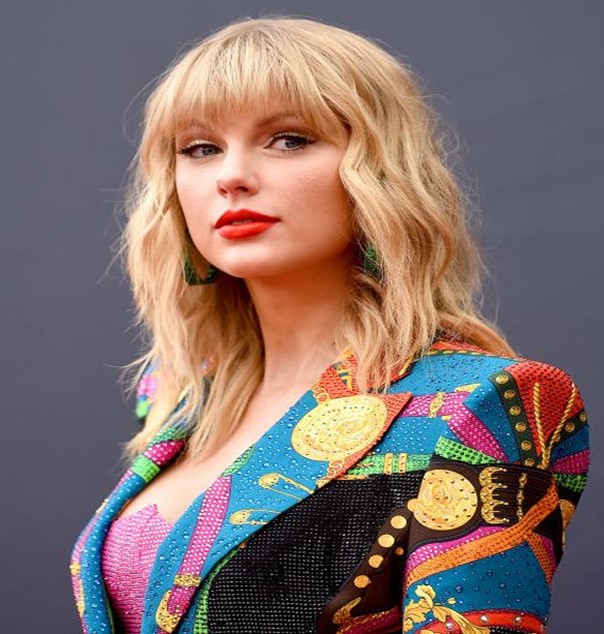
In the Netflix documentary “Taylor Swift: Miss Americana,” renowned songwriter Taylor Swift candidly discussed her battle with an eating disorder for the first time. She confided that certain photographs or adverse comments in the past have occasionally spurred her to curtail her eating.
Swift, in a conversation with Variety Magazine, delved into the theme of shame, drawing insights from a Netflix special on the subject by Brené Brown:
Claiming indifference to others’ opinions is implausible. However, one can choose which viewpoints hold more significance and deserve greater attention.
Swift remarked, “Achieving maturity and equilibrium in life is intrinsically linked to the process of growing up, if done correctly.”
2. LADY GAGA
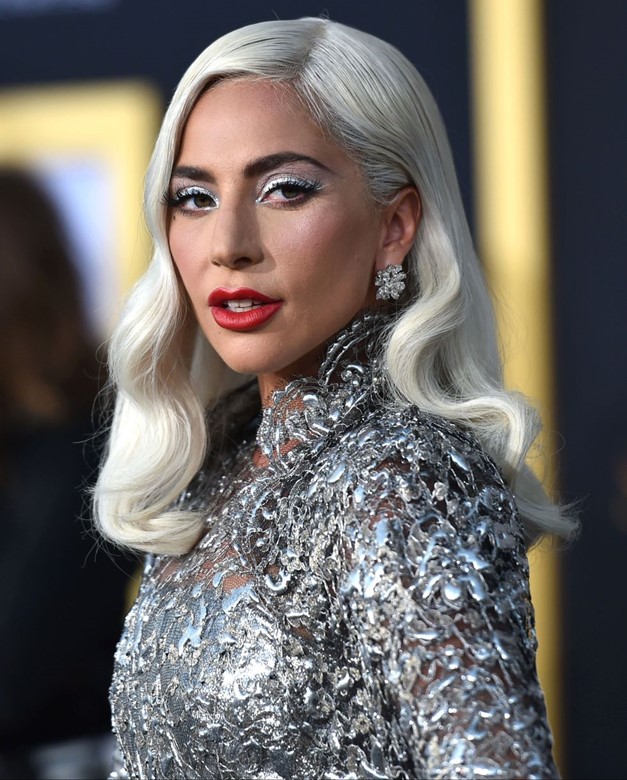
In 2012, Lady Gaga had revealed on her site Little Monster that she had struggled with anorexia nervosa and bulimia since the age of 15. She had posted about her cycles of weight gain and loss and had shared photos. Her Born This Way Foundation had connected young people with resources to help with body image, bullying, drug alcohol issues, and more (Fishman, 2022). The nonprofit had existed to let struggling teens know that they weren’t alone and to help create a more compassionate world. She had continued to encourage anyone struggling with body image, saying “It’s really hard, but…..you’ve got to talk to somebody about it.”
3. DEMI LOVATO
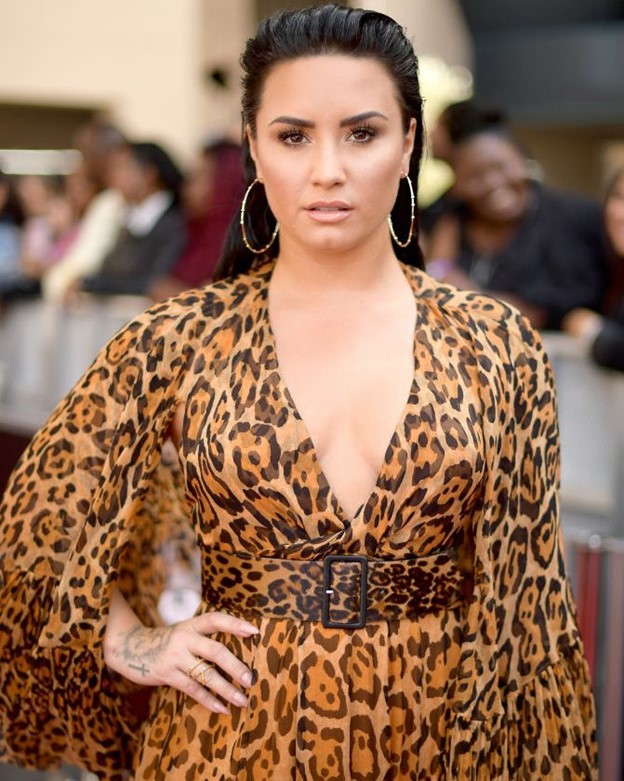
In 2010, Demi Lovato sought treatment for bulimia and anorexia, and since then, she has emerged as an influential voice for young women facing eating disorders. In a poignant interview, she remarked, “I lived fast and I was going to die young. I didn’t think I would make it to 21.” Committed to her well-being, Lovato has prioritized her overall health and fitness as a cornerstone of her recovery journey. Additionally, her fitness regimen plays a pivotal role in managing her bipolar disorder (Fishman, 2022).
4. ZOE KRAVITZ

Kravitz encountered challenges on her path to success. A significant hurdle was her struggle with anorexia and bulimia, which began during her teenage years and persisted into adulthood (Pearl, 2022). In a 2015 interview with Complex Magazine, she attributed some of her struggles to her high-profile upbringing, noting, “I think it was definitely about being around that world. I felt pressured.”
5. HILLARY DUFF

Similar to numerous young celebrities, Duff acknowledged that during her teenage years, she ventured into an unhealthy realm regarding her eating habits. “I was excessively slender,” Duff shared with PEOPLE in 2015. “It was an unhealthy phase for me. The profound unhappiness was evident. I recall experiencing hand cramps due to a lack of essential nutrients.”
6. TALLULAH WILLIS

At the tender age of 13, Willis experienced a profound shift in self-perception, leading her to view herself critically. “I felt as though I was visually unappealing,” she confided in Teen Vogue. “While I recognized my kindness and affability, I struggled with seeing my own attractiveness.” This mindset persisted throughout her adolescent years. It wasn’t until her elder sister, Scout, intervened that Willis sought treatment. By January 2015, Willis expressed her journey towards healing, stating, “I’m gradually reaching a point where I’m becoming comfortable with myself.”
7. TESS HOLLIDAY

In May 2021, Holliday addressed her personal experience in response to remarks about her physique.
“I am anorexic and currently in recovery,” Holliday announced on Twitter. “I no longer feel the need to hide this aspect of my life. I’ve been shaped by a society that glorifies thinness and equates it to worth, but I now have the power to define my own narrative. I’m embracing the opportunity to nourish a body I’ve neglected for years, finding newfound liberation.”
She further addressed the issue on Instagram, urging, “For those commenting ‘You appear healthier these days’ or ‘You’re losing weight, great job!’ — refrain from such observations. Avoid making remarks about my weight or assumed health status. It’s best kept unsaid.”
She elaborated, “I’m on a journey of recovery from an eating disorder, and for the first time, I’m consistently nourishing my body.”
Holliday concluded by emphasizing the importance of genuine compliments, stating, “If you can’t appreciate someone without referencing their size, it’s best to remain silent.”
8. SAWN JOHNSON

Elite gymnast and Olympic gold medalist Shawn Johnson has candidly discussed her challenges with an eating disorder, depression, and anxiety.
On her YouTube channel, Johnson reflected on the extreme pressures of elite athleticism, acknowledging that she pushed herself to dangerous limits in pursuit of perfection. During her training for the 2008 Olympics, she limited her intake to a mere 700 calories daily, leading to instances where she fainted during practice sessions.
Recognizing the detrimental impacts on her well-being and noting that “nothing in my life was healthy,” Johnson chose to step back from gymnastics ahead of the 2012 Olympics. She sought professional help, engaging both a nutritionist and therapist. Today, she remains committed to maintaining her health and aims to be a positive role model for her daughter.
9. PAULA ABDUL

From the young age of 7, when Paula Abdul embarked on her dancing journey, she grappled with insecurities related to her muscular physique. This led her into patterns of binge eating, purging, and excessive exercising. As she described, “My actions, whether it was excessive exercise or purging, were an attempt to rid myself not just of the food, but also the overwhelming emotions.” Recognizing the need for professional help, Abdul sought treatment at a mental health facility in 1994. Today, she continues to collaborate with nutritionists and therapists for guidance. Committed to raising awareness, Abdul has partnered with the National Eating Disorders Association, advocating for young women to pursue the help they need.
10. ALANIS MORISSETTE
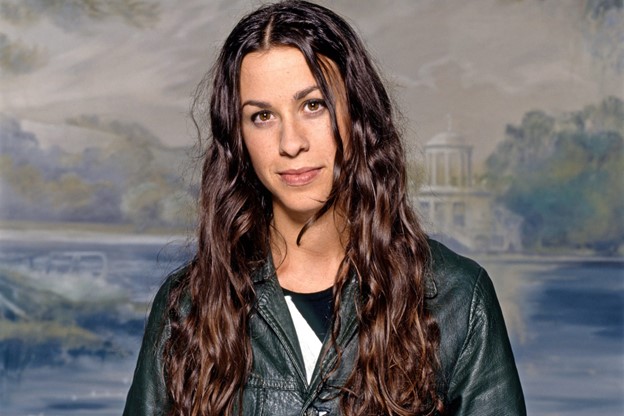
Renowned singer Alanis Morissette confronted challenges with anorexia during her initial endeavors into the music industry. The intense scrutiny and pressures associated with being a young female artist in the limelight exacerbated her struggles. Through therapeutic intervention, Morissette successfully addressed her eating disorder and has since embraced the practice of mindfulness. Reflecting on her journey, she has posed the poignant question: “What does ‘sobriety with food’ truly mean?” As part of her commitment to holistic well-being, she incorporates yoga, journaling, and meditation into her daily routine to ensure a harmonious lifestyle.
11. IRELAND BALDWIN

Ireland Baldwin, the daughter of Alec Baldwin and Kim Basinger, candidly addressed her history of anorexia on Instagram in 2018. She showcased an older image of herself, captioned with a reflective “anorexia throwback.” Additionally, she uploaded a snapshot from her youth in which she donned a bikini, captioning it simply with “Nope.”
The model shared, “In my younger years, I grappled with multiple eating disorders and body image challenges. It took considerable time and effort to cultivate self-love and acceptance. The anguish and self-harm I subjected myself to were not worth the outcomes. I regret the numerous opportunities and experiences I sidestepped during those difficult times.”
12. BEVERLY JOHNSON
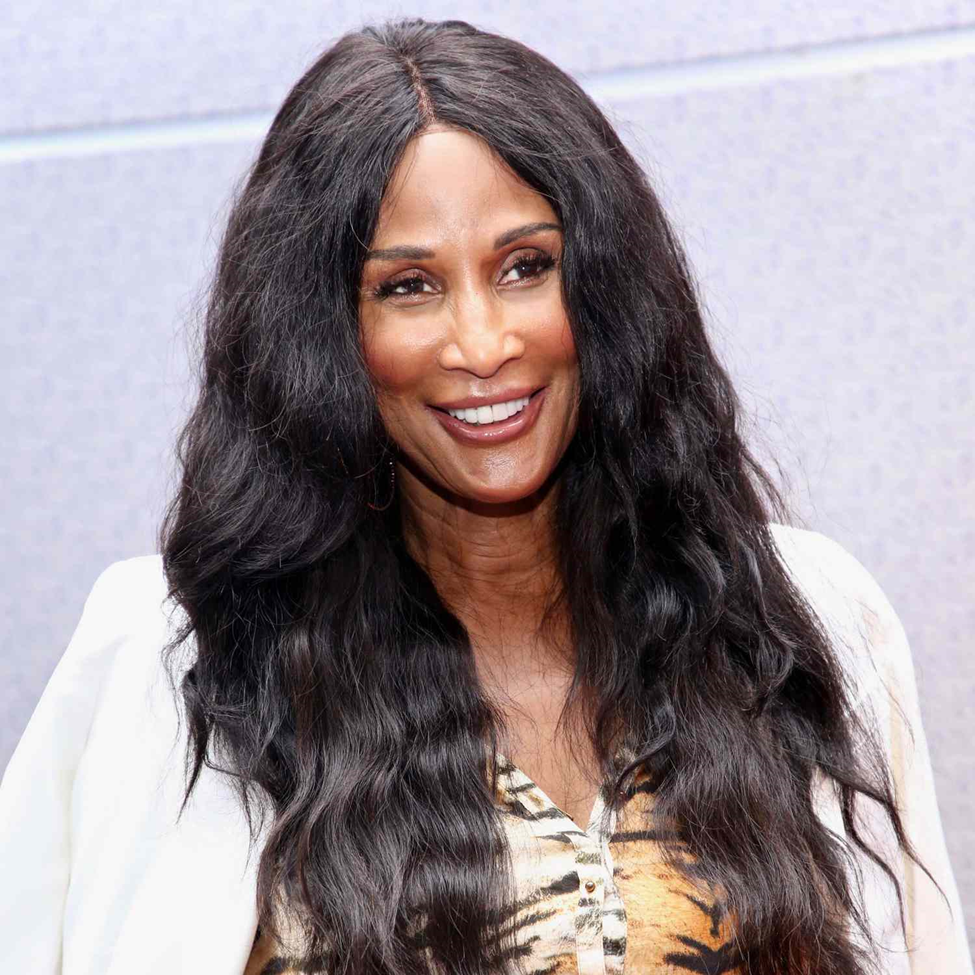
Several decades after making history as the first Black woman to grace the cover of Vogue, iconic supermodel Beverly Johnson candidly discussed the perilous dietary regimens she adopted to maintain her stature in the modeling industry. In her 2015 memoir, “The Face That Changed It All,” she revealed, “I consumed virtually nothing. My diet consisted of black coffee, occasional sips of broth during challenging times, and in the evening, a glass of champagne for rejuvenation. We even avoided water, mistakenly believing it contributed to weight gain.” Regrettably, such detrimental practices were promoted in the industry under the misguided notion: “The thinner you were, the more esteemed you became.”
13. PORTIA DE ROSSI

Having begun her career in her formative years, De Rossi traces her challenges with eating back to those early days in the industry. Reflecting on her initial experiences as a child model in 2015, she commented, “I refrained from eating for 10 days leading up to the shows. As I walked the runway, still just a child, attempting to exude allure, I was acutely aware of other models mocking my pronounced eyebrows.” Her struggles with eating disorders persisted into her adult life, a journey she detailed in her 2010 memoir, “Unbearable Lightness.”
14. MOLLY SIMS

In her earlier days as a model for the Sports Illustrated Swimsuit Issue, Molly Sims shared that she went to great lengths to maintain a size 0, which included walking up to 14 miles daily. In a 2015 interview with the Huffington Post, she conveyed, “Maintaining the expected weight was a considerable challenge. While I am genetically predisposed in some aspects, sustaining a size 0 was particularly arduous for me. There were instances where I refrained from eating for several days.” However, following her marriage and the birth of her children, Sims shifted her priorities from her size to nurturing her family.
15. LILY COLLINS
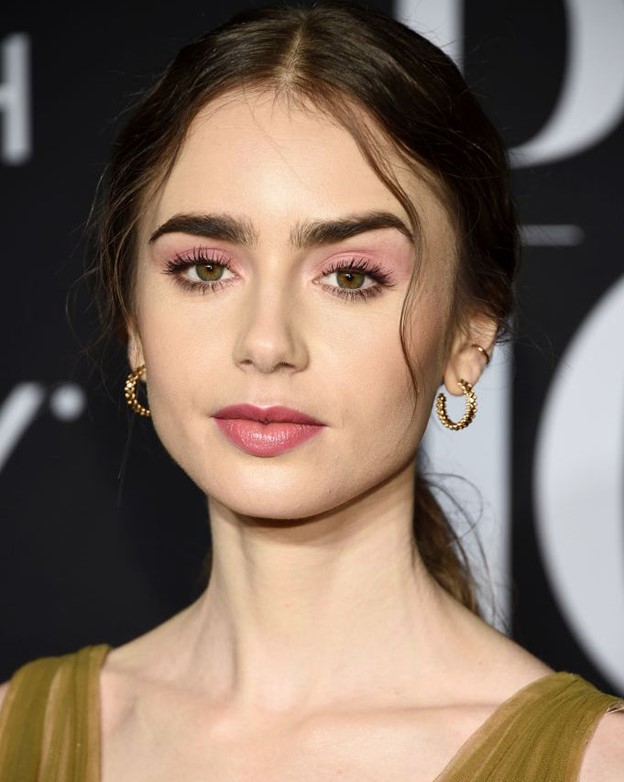
In the 2017 film “To the Bone”, actress Lily Collins portrayed a character, Ellen, with whom she shared a deeply personal connection. Like Ellen, Collins grappled with an eating disorder during her teenage years. Discussing the film with IMDb studio, she broached her personal struggles for the first time. Collins remarked, “This role was a significant departure for me. Much like the character, I too struggled with eating disorders as a teenager. Just a week before receiving the script, I had penned a chapter on my experiences for a book I wrote last year. It felt as though the universe was aligning events to confront a past fear directly. It provided an avenue for me, as someone who has been through it, to address a subject often deemed taboo, especially among young people today, irrespective of gender. The goal is to initiate a meaningful dialogue.”
16. JANE FONDA
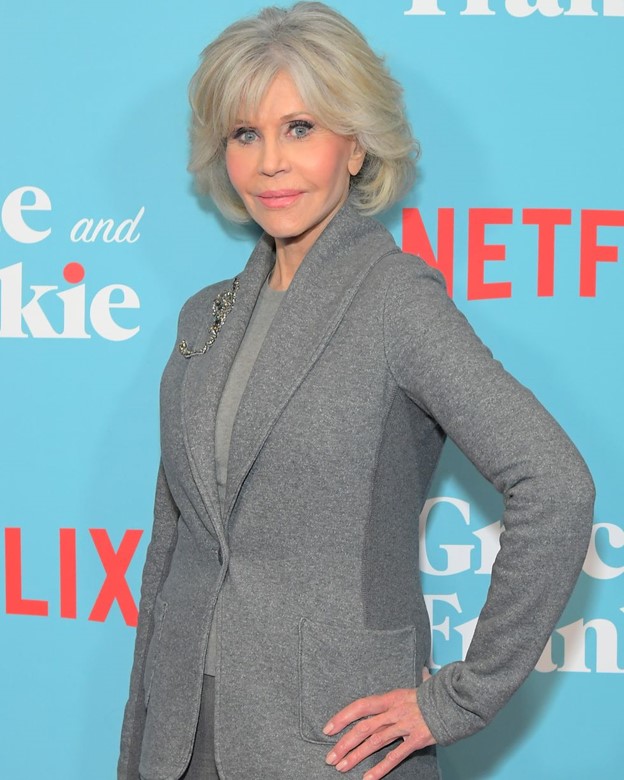
Jane Fonda stands as one of the pioneering figures who openly addressed the issue of eating disorders in the public domain. She candidly disclosed her battle with bulimia, which began when she was just 12, marked by patterns of binge eating, purging, and food restriction. Fonda attributes her upbringing as a contributing factor, commenting, “I grew up believing that love was conditional upon being thin and attractive, and this perception led to numerous challenges.” Over the years, she has actively advocated for greater awareness surrounding anorexia and bulimia. By transparently discussing her three-decade-long struggle with eating disorders, Fonda has established herself as an inspirational figure for women across generations.
17. DIANA, PRINCESS OF WALES
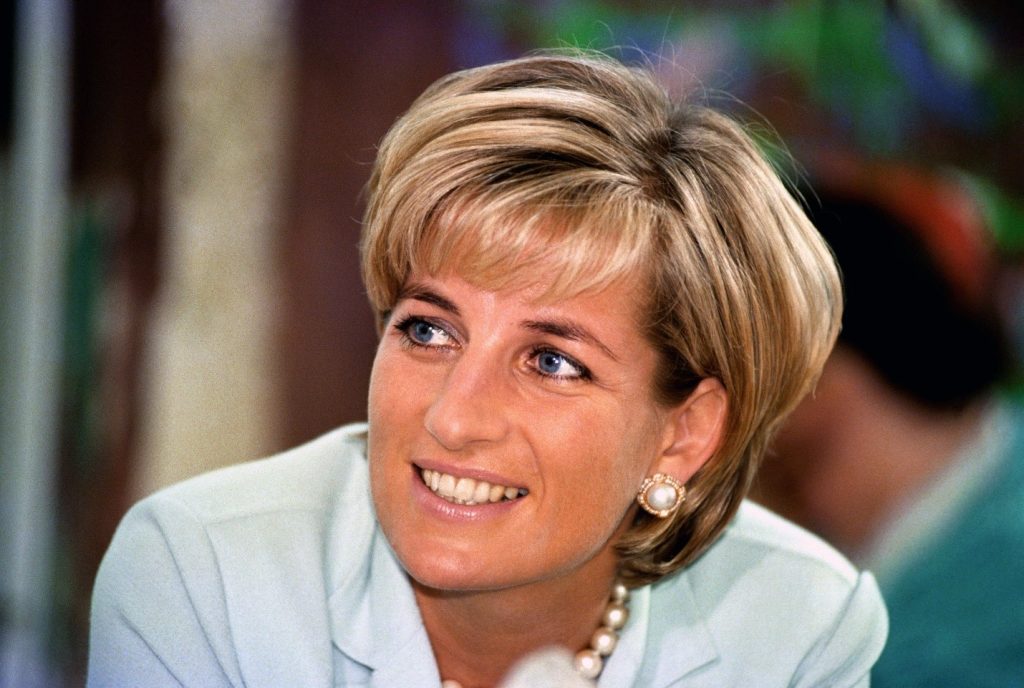
In 1994, Princess Diana candidly addressed her personal challenges with bulimia and self-harm. During her address, she articulated, “I firmly believe the ultimate solution resides within the individual. However, with consistent and compassionate support from professionals, family, and friends, those grappling with eating disorders can discover healthier mechanisms to manage their lives.” Her courageous discourse on her personal battles inspired many to open up about their own struggles with eating disorders. Princess Diana fervently championed for a deeper understanding of bulimia and played a pivotal role in elevating public consciousness regarding eating disorders.
18. JOJO
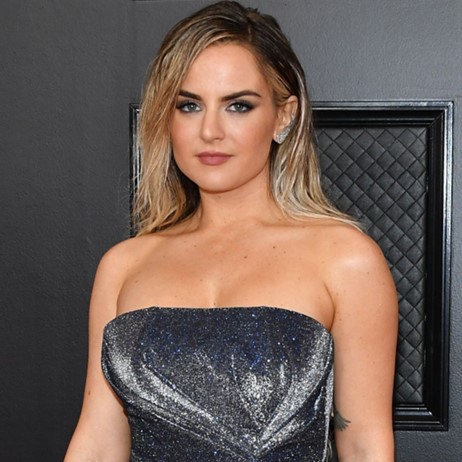
The acclaimed singer of “Leave (Get Out),” JoJo, disclosed in an interview with Uproxx that she was advised to adhere to a 500-calorie diet during her teenage years.
Reflecting on the pressure, JoJo shared, “I thought, perhaps if I became thinner, they might release an album. I genuinely felt that maybe my appearance was so off-putting that it prevented a video release or even a glance in my direction.” This self-perception was a reaction to the weight loss demands imposed on her by her former label, Blackground.
However, the artist behind “Too Little, Too Late” eventually parted ways with Blackground Records in 2014. Now having creative autonomy over her career, JoJo has established her own record label, Clover Music, in collaboration with Warner Records.
19. HILARIA BALDWIN

In June 2018, the mother of seven, Hilaria Baldwin, posted an authentic bikini photograph of herself with her newborn son, Romeo, on Instagram. Accompanying the image was a powerful message advocating for the celebration of diverse body types and encouraging women to cherish their authentic selves. She also shed light on her personal challenges, stating, “I’ve been candid about my past struggle with an eating disorder. It was through yoga and a dedicated health and wellness regimen that I managed to heal both physically and mentally,” referencing her 2016 publication, “The Living Clearly Method.”
Reflecting on her journey, she added, “When I think of my past self, I realize how much I might have battled with pregnancy weight gain and the patience required for healthful weight loss post-pregnancy. Today, I’m grateful to stand as a resilient and joyful mother, wholly accepting of my body.”
20. JACKIE GOLDDSCHNEIDER

In November 2018, “The Real Housewives of New Jersey” star, Jackie Goldschneider, opened up to People about her battle with anorexia.
She recounted, “The compulsion was overwhelming. I’d find myself committed to rigorous cardio routines, even when I was ill. Every morsel I consumed, down to a simple piece of gum, was weighed because I had to ensure I was within my self-imposed caloric limit. I devised unconventional methods to satiate my hunger without actually eating. The fear of gaining any weight paralyzed me. Over time, I found myself ensnared in this web of destructive habits that persisted for nearly a decade.”
Goldschneider then spoke of the pivotal moment that prompted her to seek help: a realization that struck her upon seeing her weight on a scale. “It dawned on me — I would succumb to this disorder if I didn’t intervene.”
Reflecting on her recovery, she added, “I take immense pride in having emerged from that challenging phase. Living in the shadow of an eating disorder is agonizing. By sharing my story, I hope to resonate with others who might be silently enduring similar struggles, reassuring them that there’s light at the end of the tunnel. My biggest fear was the perpetual hold this disorder might have on me.”
5. ZAMBIA’S PERSPECTIVE OF THE DISEASE
In as much as the disease is common among most popular individuals all over the world, it has not spared African countries like Zambia. But despite it being common In Zambia, most people are not aware of it or are rather illiterate about it. Anorexia nervosa has silently attacked many individuals without them realizing or recognizing it and many have lived by it. People seek little or no medical attention when they have the disease because they are ignorant about it, most individuals like those with lower income wages tend to experience this because of factors such as family behavior, genetics and so on, this affects mostly the adolescent children as they tend to lose weight excessively as they are not receiving all the nutrients that require proper growth and development as they undergo puberty. Apart from the low-income wage families, most celebrities are victims of this. For the fact that these popular peoples might be or might not be aware of the disease or even pay less attention to it makes it common among them.
Unlike other countries in the world that has accepted and recognized anorexia nervosa as a serious eating disorder, it has never been the case with Zambia, the country is experiencing cases of anorexia nervosa in silence as most people are not educated about it and are unaware of the causes, the symptoms it presents and or rather the effects of it once one has it. And this has led to some people dying from it without even realizing that it is actually anorexia nervosa that has killed them, a mare eating disorder that they never knew or never paid attention to. There is therefore need for more knowledge about the disease, a lot of measures and acceptance to the disease have to be shown and this can lead to lessening of cases of eating disorders like anorexia nervosa as most people will know how to avoid it or rather know how to treat it in cases where one gets affected.
Measures such as advancing the topics about anorexia nervosa to the Zambian curriculum of the primary schools as this will help the children learn to prevent as well as know what is to be done once one has the disease. Other measures include; involvement of health workers by having health talks and health promotion in the communities to educate the people about what anorexia nervosa is, its cause, signs and symptoms, its prevention and the cure to the disease through the ministry of health. Apart from that other local partners such as the ministry of community development and social services to help by providing social skills and training to young individuals especially girls in order either increase their dietary requirements as they will manage to support themselves and or destruct them from feeling insecure about their own bodies and how they look. Since most things have developed into technology, there is therefore need for the ministry of information and broadcasting services to take part. Topics about anorexia nervosa can be discussed on most local channels in order to sensitize on the effects of anorexia nervosa.
6. SIGNS AND SYMPTOMS OF ANOREXIA NERVOSA
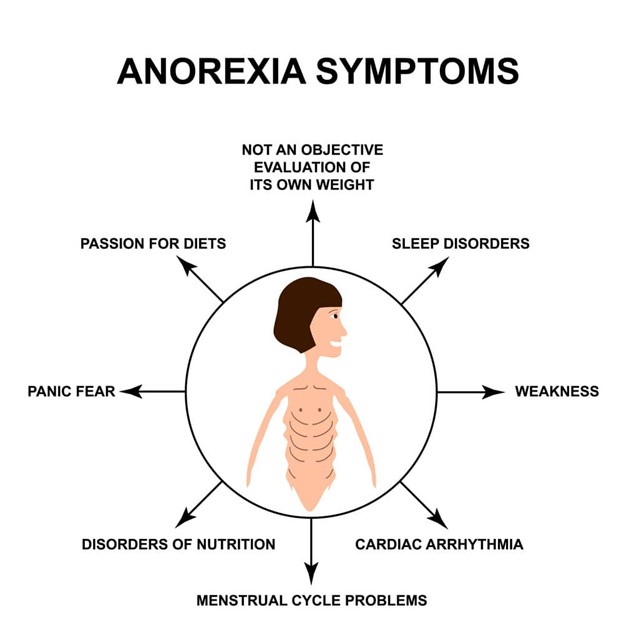
Signs and symptoms are presentations of the disease and may also be called “clinical manifestations” and they tell what kind of disease a person might be suffering from (Mayo Clinic, 2018). The following are some of the signs and symptoms of anorexia nervosa:
- Severe weight loss due to restricting oneself from eating and this is due to fear of gaining weight
- Dehydration due to low intake of fluids with fear of gaining weight and this leads to more fluids in the body wearing out without being replaced
- The skin may present itself dry because of the low intake of water and other fluids
- Constipation due to lower intake of foods rich in roughage that helps loosen the stool and adds bulkiness to it. And these foods may include; fruits such as apples, bananas and vegetables such as rape, spinach etc.
- Hair which thins and falls out, this may be due to the deficiencies of some nutrients responsible for hair growth and thickening such vitamin A, C, D, and E, protein etc
7. Diagnosis of the disease
Typically, Anorexia Nervosa is identified by assessing the Body Mass Index (BMI), with a standard range being 18.5 to 24.9. A BMI less than 18.5 often indicates that an individual is underweight, potentially pointing to anorexia nervosa. Further diagnosis involves a comprehensive physical examination that includes an assessment of skin tone and color, hair distribution, as well as palpation of major external body organs and auscultation.
- A person’s overall health, manifested in their appearance and demeanor, can be indicative of their medical condition. Manifestations such as significant weight loss can further confirm the presence of the disease.
- Additionally, obtaining a comprehensive medical history is crucial. This allows the individual to share details about their overall health prior to the significant weight loss and identify factors that may have prompted their desire for weight reduction.

8. Self-prevention techniques for Anorexia Nervosa
Primary prevention involves curing the disorder at its early stage in order to prevent the severity of the Disorder. And this can be achieved through the following:
- Understanding that self- worth is not purely defined by physical appearance.
- Challenging society’s misleading messages about beauty.
- Developing realistic expectations of self and body image.
- Accepting one’s physical characteristics.
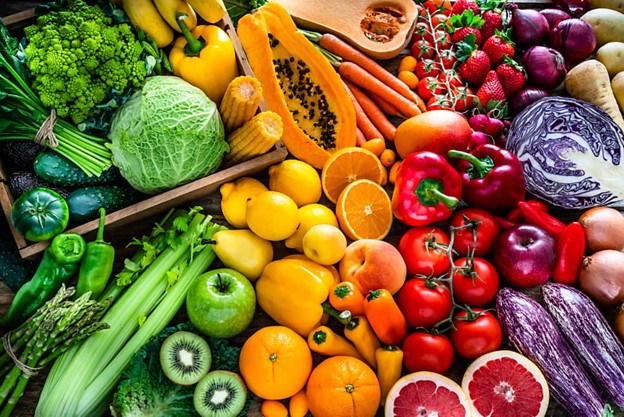
For most people who have mild anorexia, treatment is through regaining body weight through intake of correct quantity of food and with correct full balanced diet which includes the essential nutrients such as proteins, fats, carbohydrates and minerals among others as this will help regain all the nutrients lost.
9. Conclusion
Anorexia Nervosa, a severe eating disorder characterized by a profound fear of gaining weight leading to self-starvation, continues to be a growing concern globally, with its impact seen in both developed countries and developing nations such as Zambia. With a range of triggers, from personal traumas to societal pressures, its onset is most prevalent in the age bracket of 12 to 35. Despite its prevalence, it remains an under-acknowledged issue in many nations, Zambia being a prime example where a significant proportion remains unaware or ill-informed about the disorder. This lack of knowledge not only impedes early detection but also restricts individuals from accessing essential medical interventions, thereby exacerbating the disease’s impacts. Additionally, the disorder’s silence is echoed among numerous celebrities globally, who, due to industry pressures, have privately battled with the condition before coming forward to share their experiences.
Recommendations
Awareness and Education:
- The introduction of modules on Anorexia Nervosa in Zambia’s primary school curriculum will play a vital role in early awareness.
- Engage local communities with health talks and promotions to enlighten individuals about the disorder.
Community Engagement:
- Collaborative interventions between health workers, local partners, and the Ministry of Community Development and Social Services can help ensure a holistic approach towards addressing the issue.
Technological and Media Outreach:
- Utilize the power of broadcast media to reach a broader audience. The Ministry of Information and Broadcasting Services should advocate and regularly air programs discussing Anorexia Nervosa.
Professional Health Interventions:
- Ensure health clinics and centers are well-equipped and staffed to identify, diagnose, and treat individuals showing signs of the disorder.
- Reinforce the importance of mental health counseling alongside nutritional therapy for those affected.
Public Celebrity Advocacy:
- Encourage more global celebrities to engage in open discussions regarding their battles with Anorexia Nervosa, to diminish the stigma associated with the disorder and encourage more individuals to seek assistance.
Research and Support:
- Facilitate research to delve deeper into the genetic links to Anorexia Nervosa, which could pave the way for early detection and prevention measures.
- Encourage the establishment of support groups, helplines, and counseling centers dedicated to assisting those affected by the disorder.
In essence, a collaborative, multifaceted approach is essential to not only bring Anorexia Nervosa to the forefront of public health concerns but also to ensure that individuals, irrespective of their socio-economic status, have the resources and support needed to combat the disorder.
References
Cleveland Clinic. (2021). Anorexia Nervosa. Retrieved from https://my.clevelandclinic.org/health/diseases/9794-anorexia-nervosa
Fishman, S. (2022). Which Celebrities Have Eating Disorders? Retrieved from https://psychcentral.com/eating-disorders/celebrities-with-eating-disorders
Mayo Clinic. (2018). Anorexia nervosa. Retrieved from https://www.mayoclinic.org/diseases-conditions/anorexia-nervosa/symptoms-causes/syc-20353591
Pearl, D. (2022). 30 Stars Who Battled Eating Disorders — and Came Out Stronger. Retrieved from https://people.com/health/celebrities-who-had-eating-disorders/

Leave a Reply